Independent projects
Machine learning and AI
End-to-end machine-learning API projects
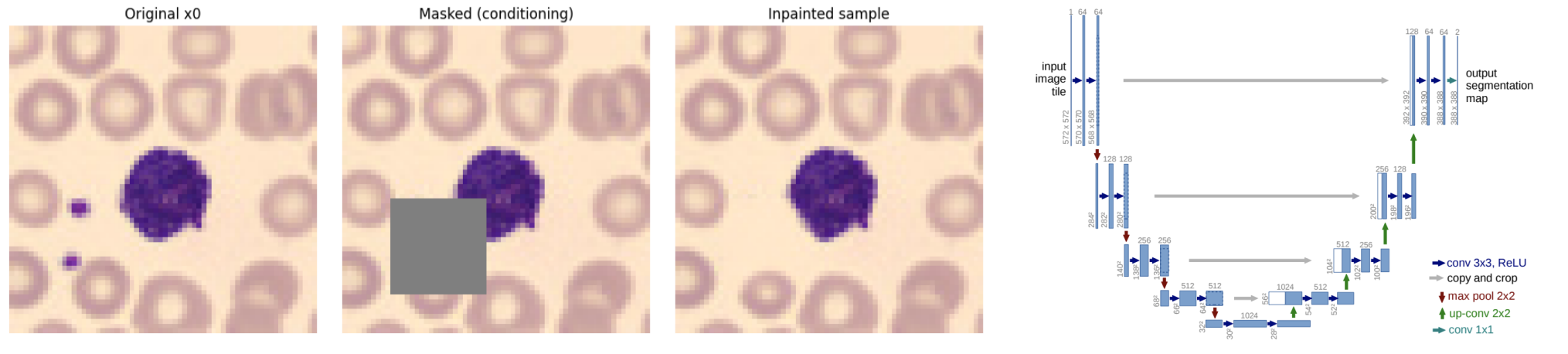
Diffusion-based image inpainting
Explored diffusion models for reconstructing missing regions in H&E-stained blood-cell images. The compact diffusion model restores masked areas while preserving observed context and is presented through a simple Streamlit interface, with AWS Batch used for deployment.
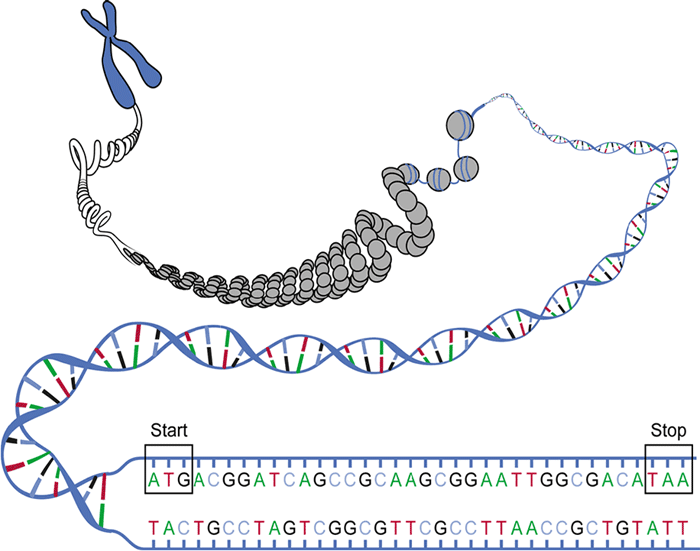
Gene-type prediction from DNA sequence
Built classical machine-learning models, convolutional networks, and a custom nucleotide-level transformer to predict gene type from raw DNA sequence. The deployment work explored ONNX Runtime inference, FastAPI and BentoML serving, Docker Compose, Kubernetes with Kind, and AWS EKS.
Immune-cell image classifier
Evaluated transfer learning for classifying immune-cell types in H&E-stained blood microscopy images. A pretrained Xception model served as a fixed feature extractor with a custom MLP classification head. I also trained logistic regression and XGBoost on Xception embeddings as interpretable baselines, tuning learning rate and dropout; the MLP-based model performed strongly on held-out data. The API was deployed with Docker and AWS Lambda.

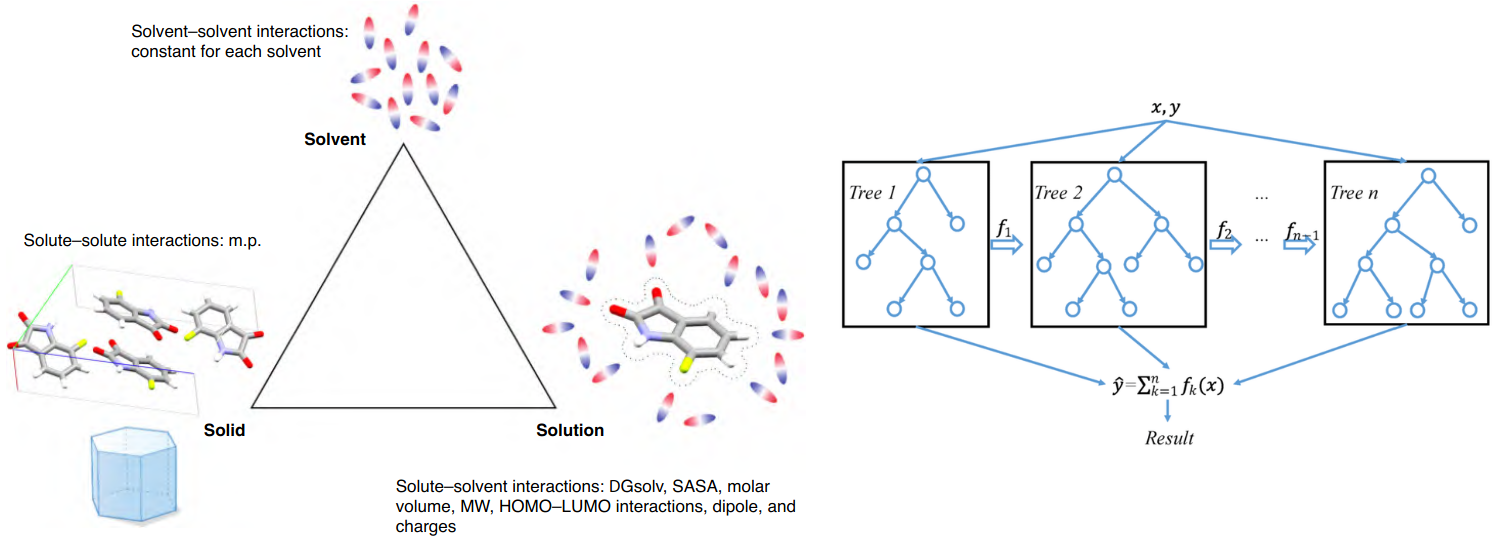
Molecular solubility prediction
Built a Flask API to predict whether a compound dissolves in water from molecular descriptors such as size, polarity, solvation energy, and charge distribution. I compared Partial Least Squares, Elastic Net, Random Forest, and XGBoost models and deployed the service to AWS Elastic Beanstalk.
Survival analysis using gene expression & clinical data (Cox models)
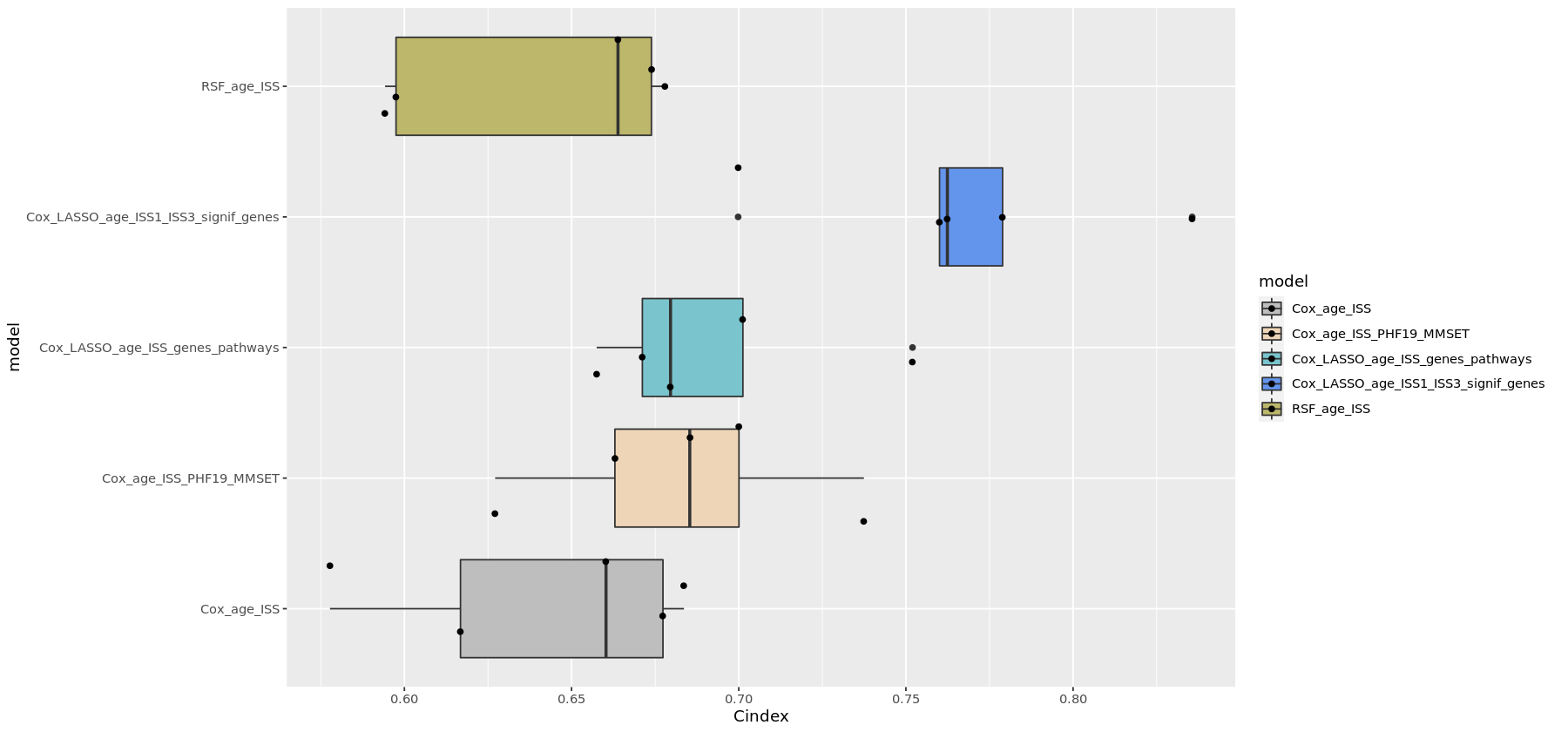
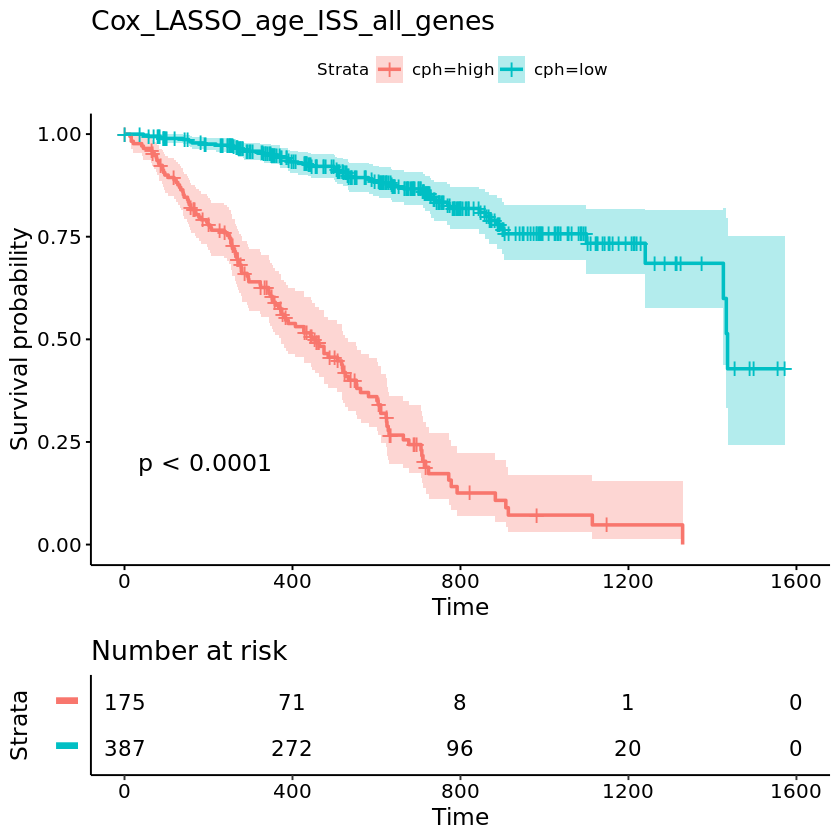
Developed models to predict mortality or relapse risk in newly diagnosed multiple-myeloma patients using baseline clinical and gene-expression data. The workflow included RNA-seq preprocessing, PCA and clustering, Cox regression, random survival forests, LASSO-based feature selection, and pathway-informed models, evaluated using the concordance index (C-index).
Deep learning for imaging and omics
CNNs and transfer learning for chest X-ray classification
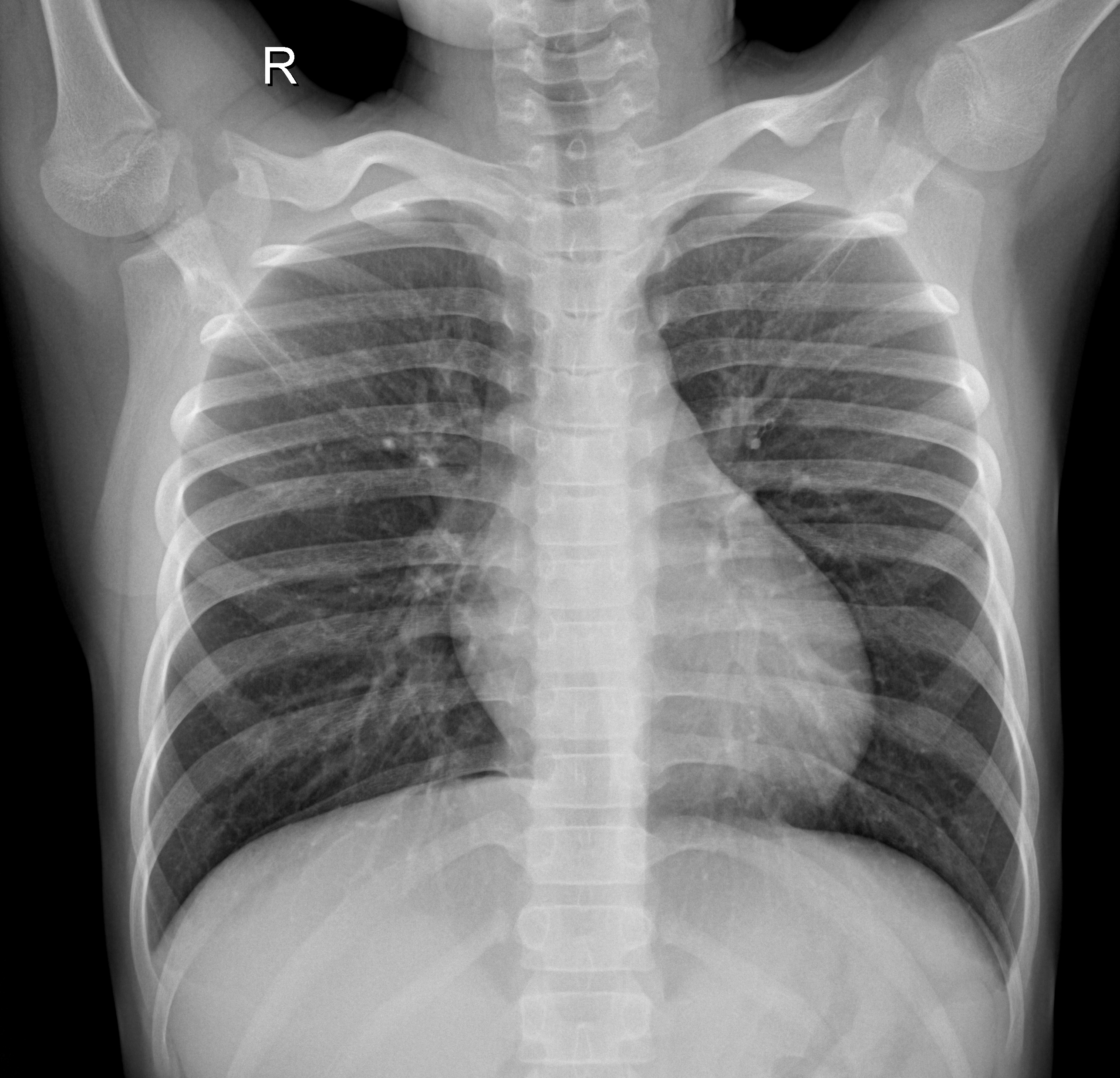
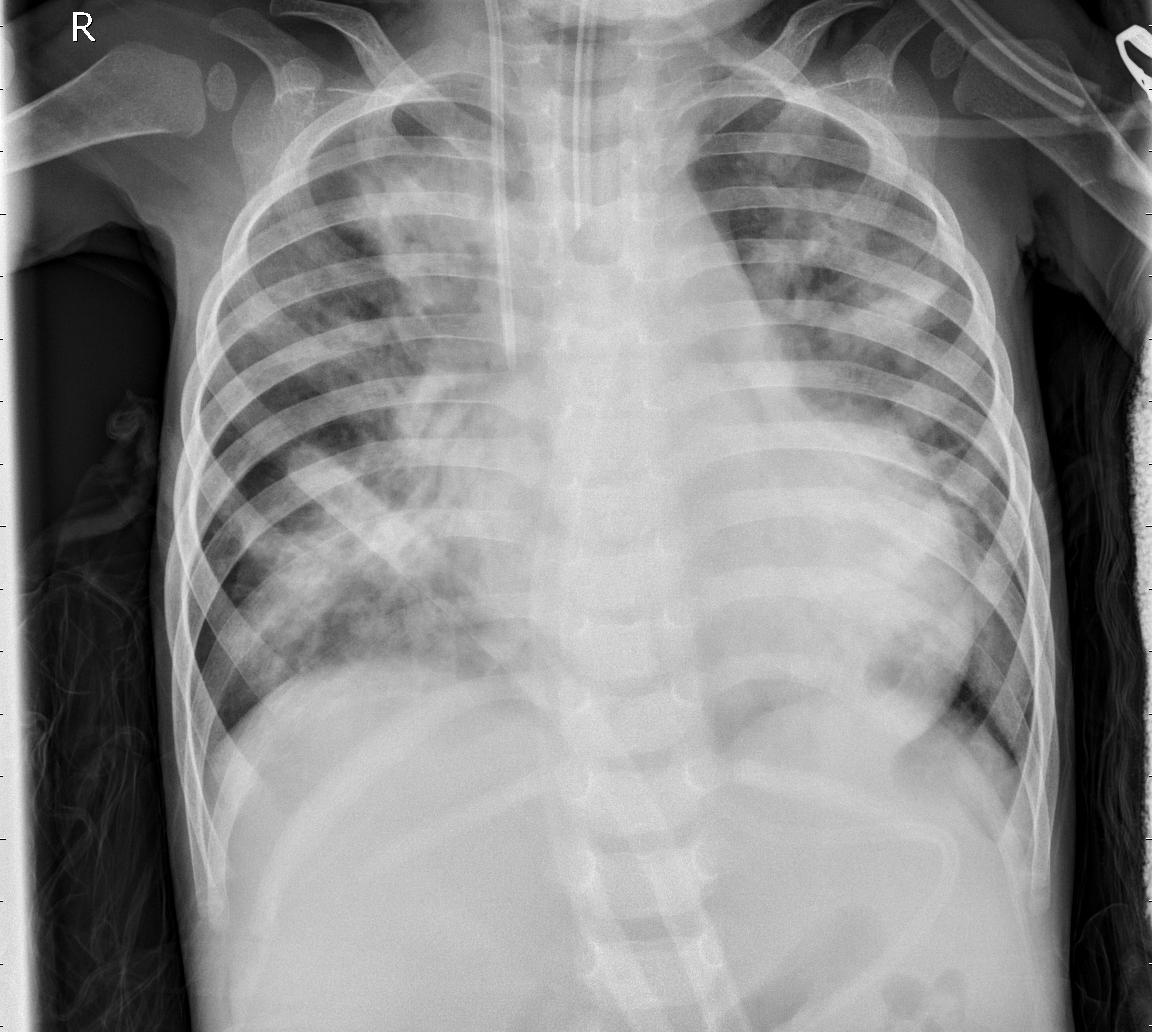
I applied convolutional neural networks (CNNs) to classify chest X-ray images using both 224×224 and 64×64 pixel inputs, exploring whether lightweight models can retain diagnostic performance. Alongside a baseline CNN trained from scratch, I used transfer learning with pretrained convolutional backbones such as ResNet to assess whether pretraining could improve classification.
Autoencoder for scRNA-seq dimensionality reduction and data imputation
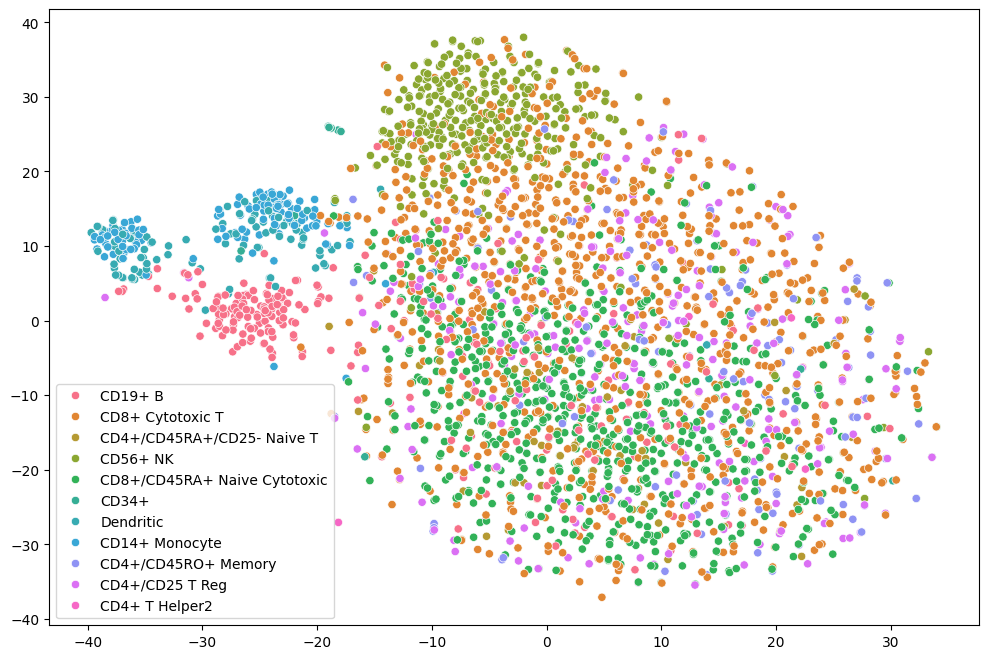
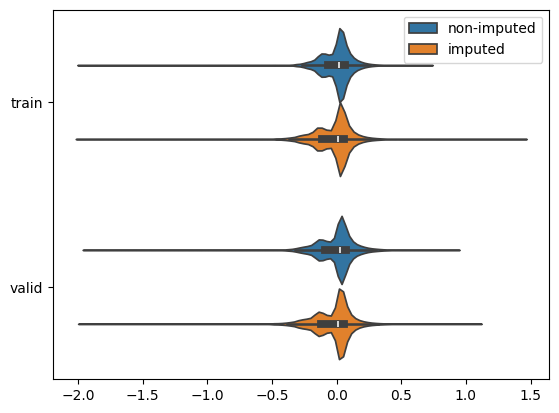
I developed a simple autoencoder with a custom loss function for imputing missing values in single-cell RNA-seq data. The approach was inspired by the method proposed by Badsha et al.
Federated VAE for scRNA-seq batch correction
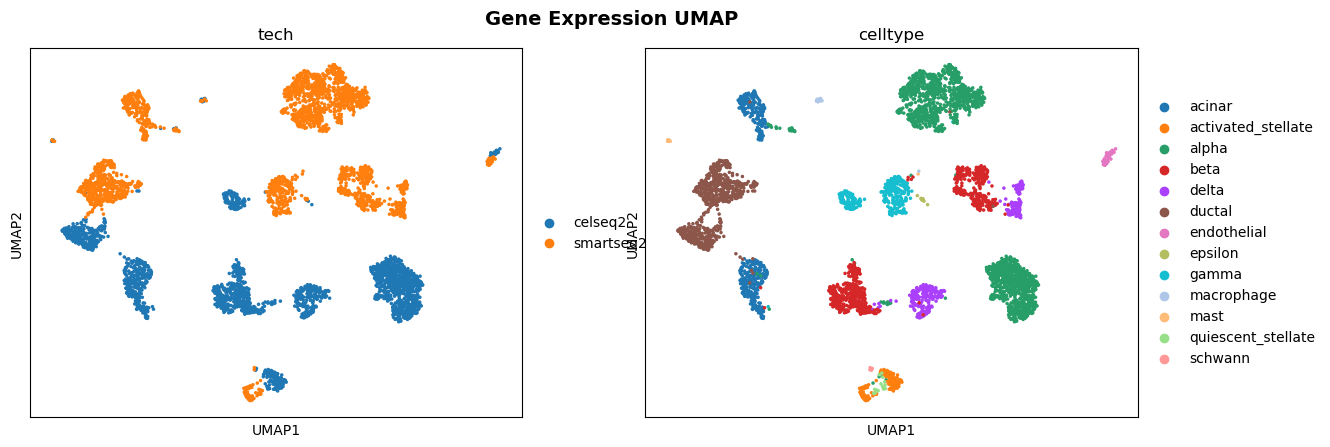
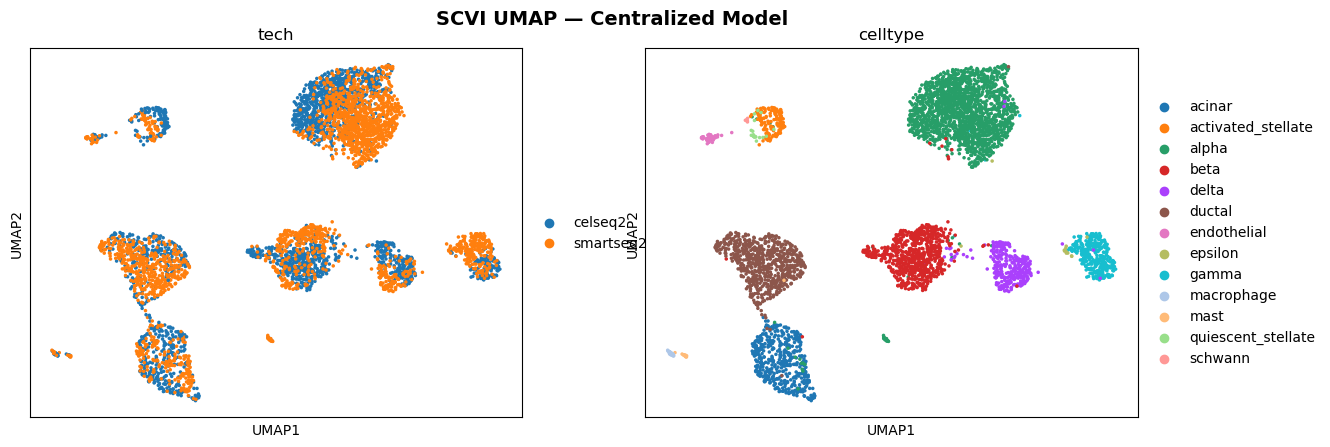
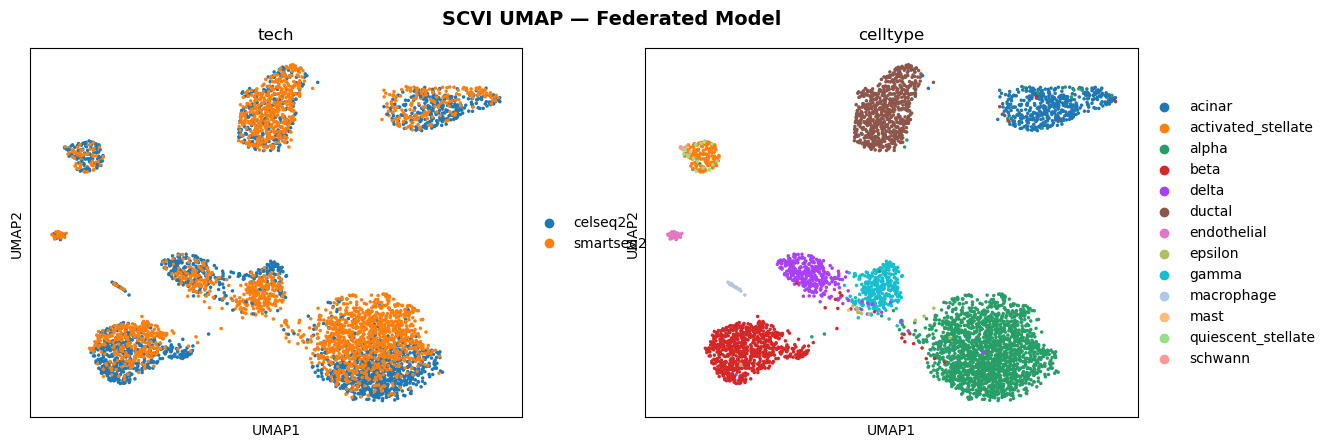
Explored federated training of a scVI model using the Flower framework and SecAgg+ secure aggregation, and compared it with centralized training to study mitigation of batch effects in single-cell RNA-seq.
cfDNA cell-type deconvolution
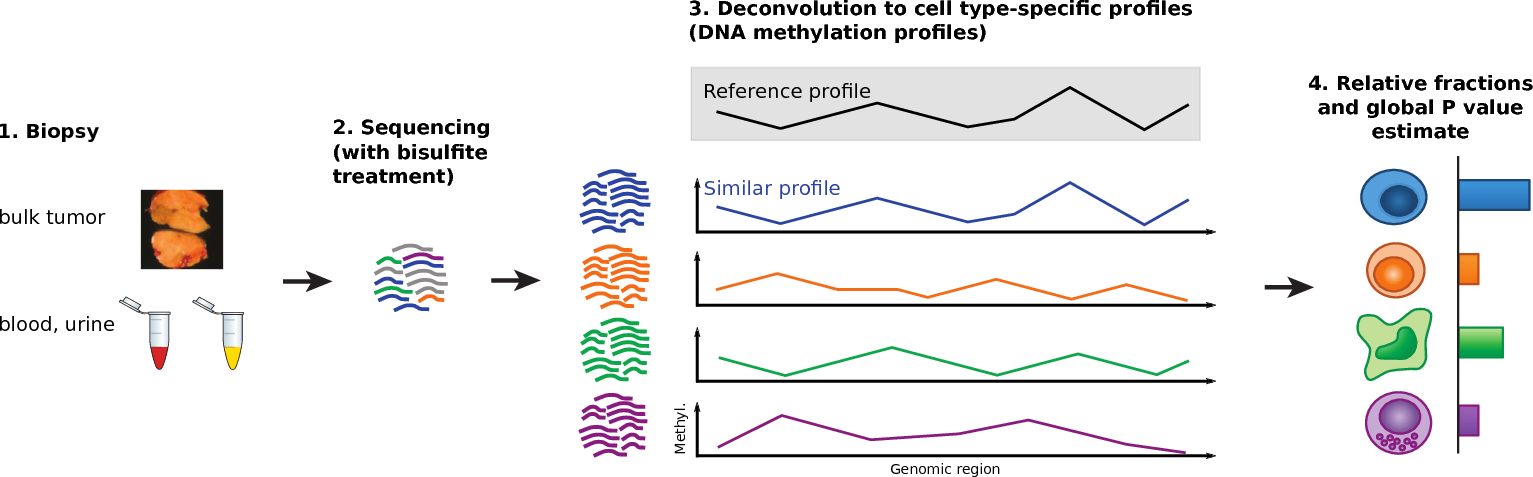
Studied cfDNA fragments released by tissues into the blood as a potential source of early disease signals. Applied regression-based methods (NNLS, Lasso, Ridge, Elastic Net) to estimate cell-type proportions from bulk DNA methylation data, and developed:
- A variational autoencoder (VAE) that reconstructs CpG profiles while jointly predicting cell-type proportions.
- A semi-supervised NMF model anchored to known reference signatures.
- A lightweight transformer that treats CpG regions as tokens and uses embeddings and self-attention to capture genomic dependencies.
Computational biology and algorithms
Protein folding with the HP model and replica Monte Carlo
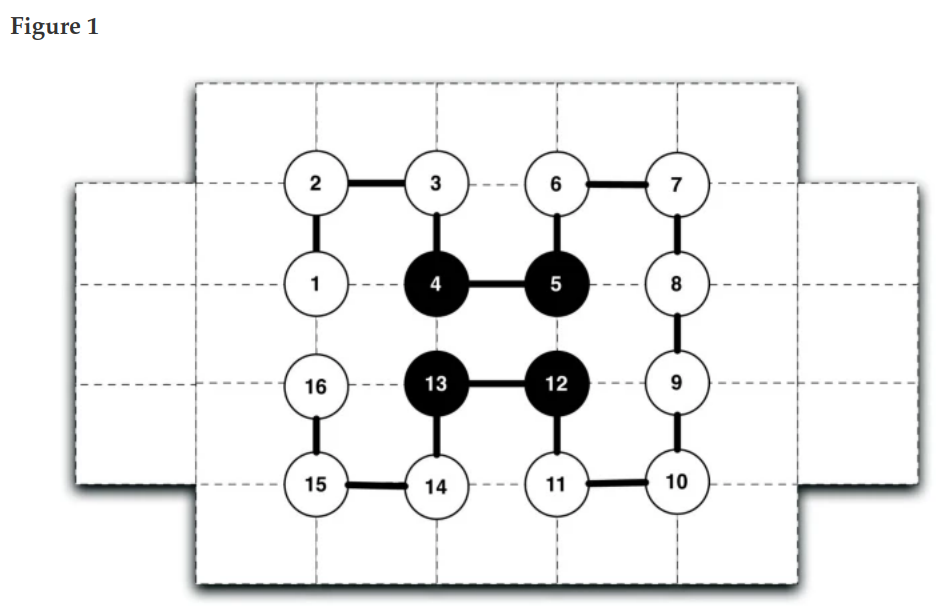
Implemented simulated annealing and replica-exchange Monte Carlo in Python and NumPy for protein folding in the hydrophobic-polar (HP) lattice model. The model represents amino acids as hydrophobic (H) or polar (P) residues on a square lattice; Metropolis–Hastings sampling explores conformations according to the Boltzmann distribution.
Genome assembly with de Bruijn graphs
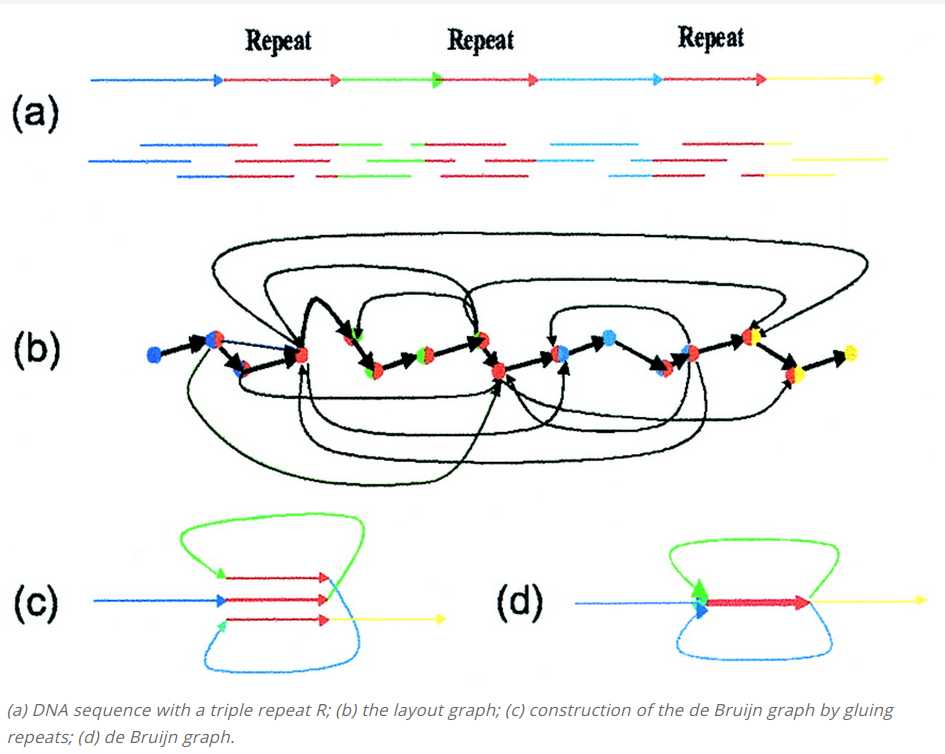
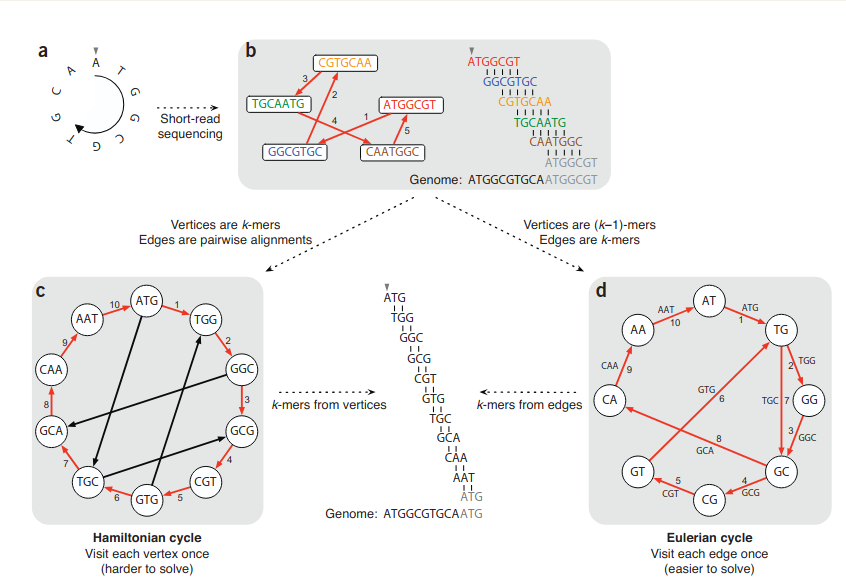
Implemented de Bruijn graph-based genome assembly using an Eulerian walk to reconstruct DNA sequences from k-mers. Nodes represent k-mer prefixes and suffixes; edges represent the k-mers. Finding an Eulerian cycle reconstructs a genome by joining successive k-mers with a one-base shift, avoiding the cost of searching for a Hamiltonian cycle.
Phylogenetic tree estimation with Felsenstein pruning and NNI
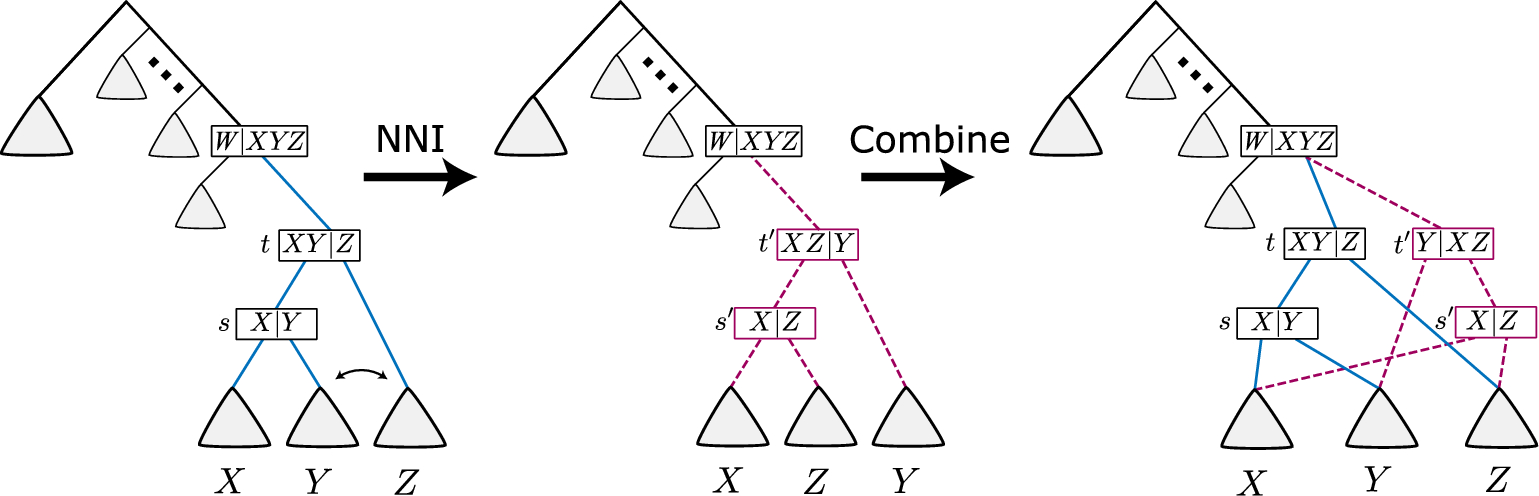
Implemented Felsenstein’s tree-pruning algorithm for evaluating evolutionary-tree likelihoods from nucleic-acid sequences, together with nearest-neighbor interchange (NNI) for rearranging rooted binary phylogenetic trees under the Jukes–Cantor substitution model.
Regulatory DNA discovery with comparative genomics
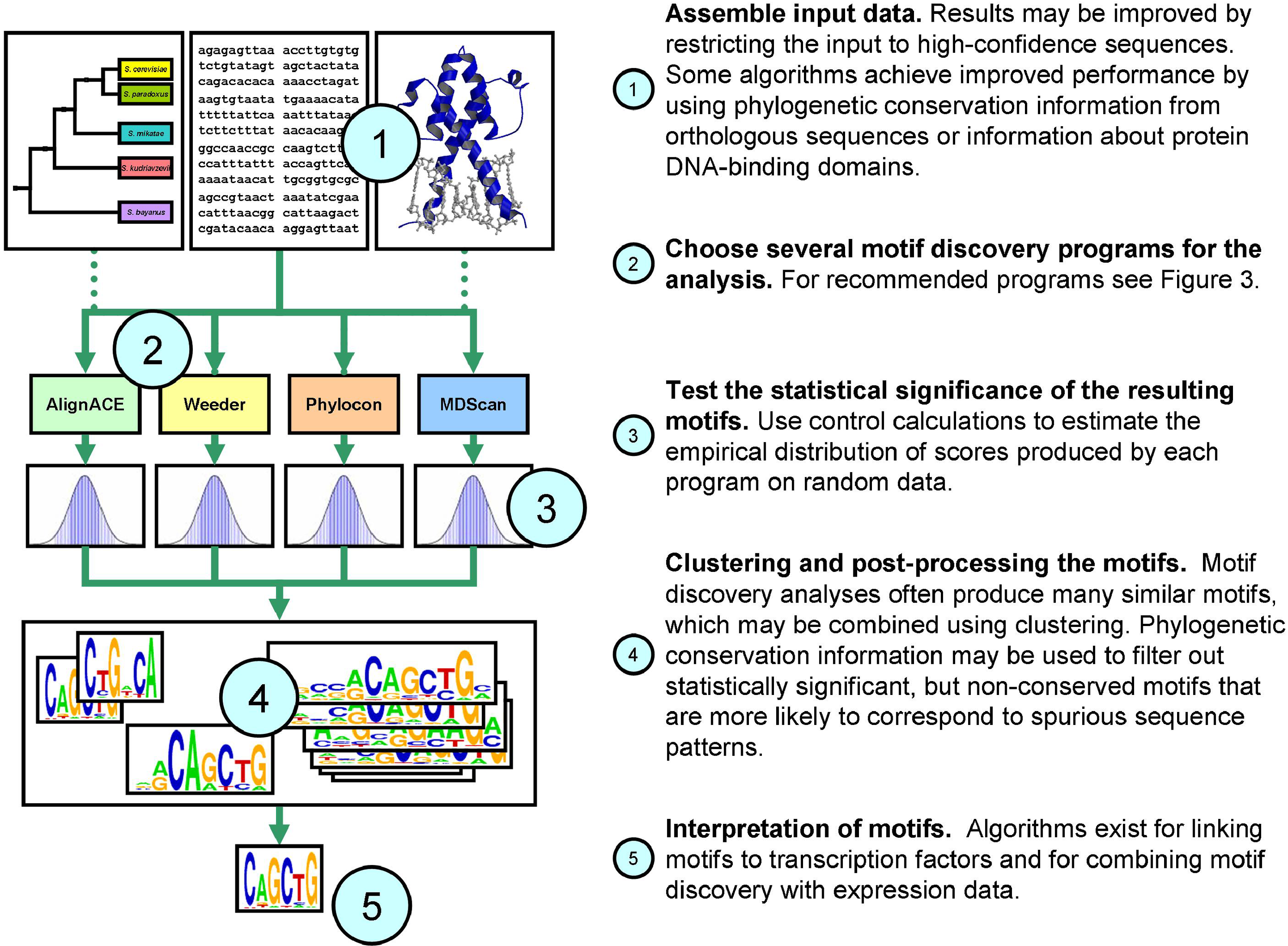
Bio Motif Ensembl is a Python tool for discovering candidate regulatory DNA regions across related mammalian genomes using Ensembl’s public MySQL databases. It retrieves orthologous sequences (for example, human, mouse, and rat), aligns upstream regions, detects conserved non-coding segments, and analyzes them with motif-discovery tools such as MEME and AlignACE. A binomial model tests motif over-representation to identify potentially functional regulatory elements.
Data engineering
Streaming analytics for urban bike sharing
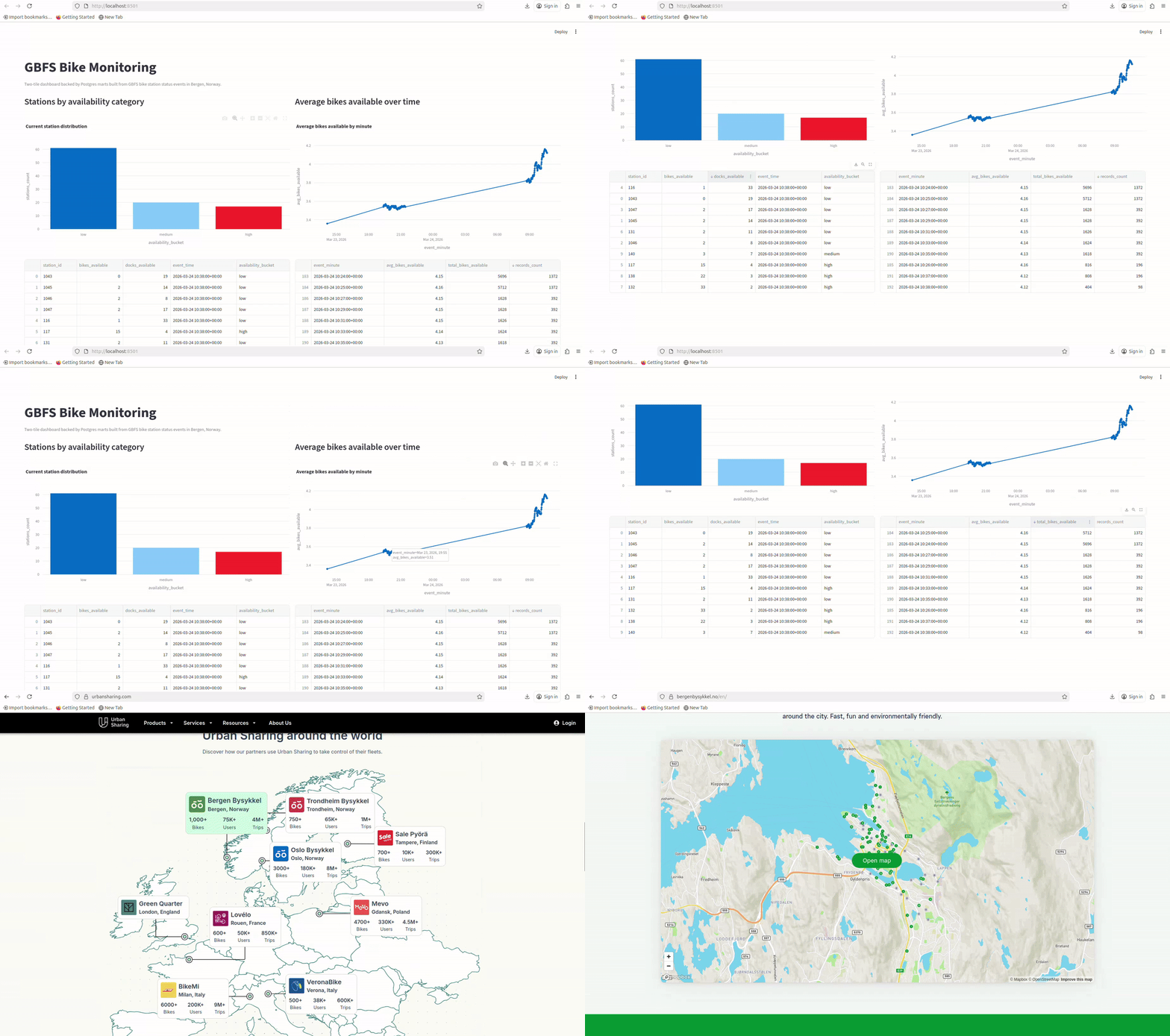
This project ingests GBFS bike-station data every minute using Kestra, writes raw events to MinIO and Kafka, loads curated records into PostgreSQL, transforms them with dbt, and serves a two-tile Streamlit dashboard in Docker Compose. AWS infrastructure and CI/CD are provisioned with Terraform.
Web projects
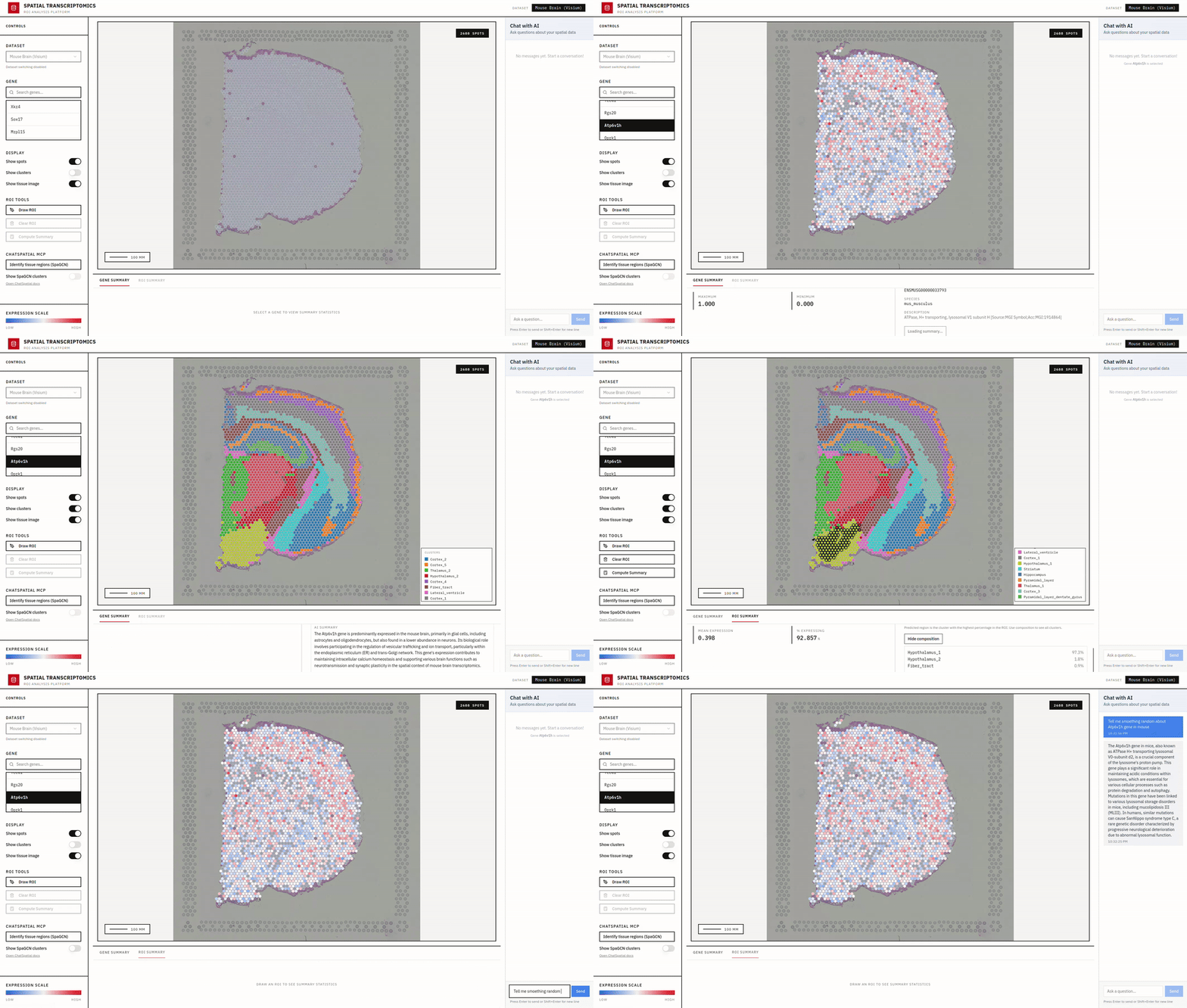
Spatial transcriptomics explorer
An interactive platform for exploring gene expression in tissue context. It includes a chat interface, AI-powered gene summaries, and spatial-domain analysis through an MCP server.
- Gene summaries use Ollama, with Mistral 7B as the default model.
- The chatbox uses the same LLM backend.
- Spatial-domain analysis uses ChatSpatial MCP with SpaGCN when available, and falls back to Scanpy.
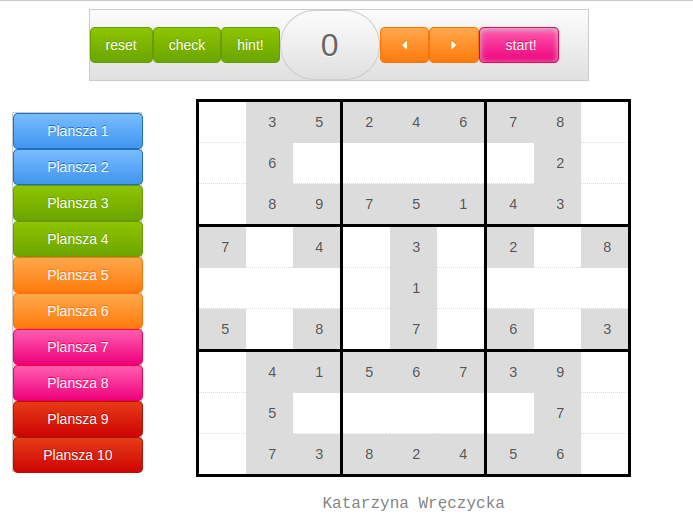
Sudoku
A simple Sudoku game implemented in JavaScript and jQuery.
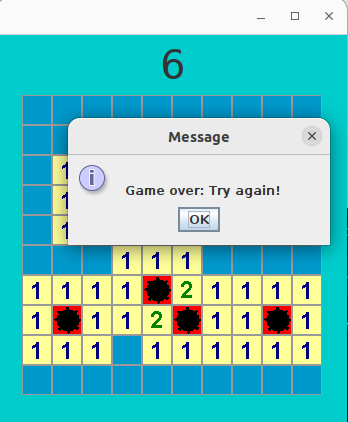
Minesweeper
A classic Minesweeper game implemented in Java using Swing and AWT.
Django web services
Django-based server for visualizing multiple sequence alignments.
MSA visualization project on GitHub
Mobile application built with Django, a manifesto app, and localStorage.